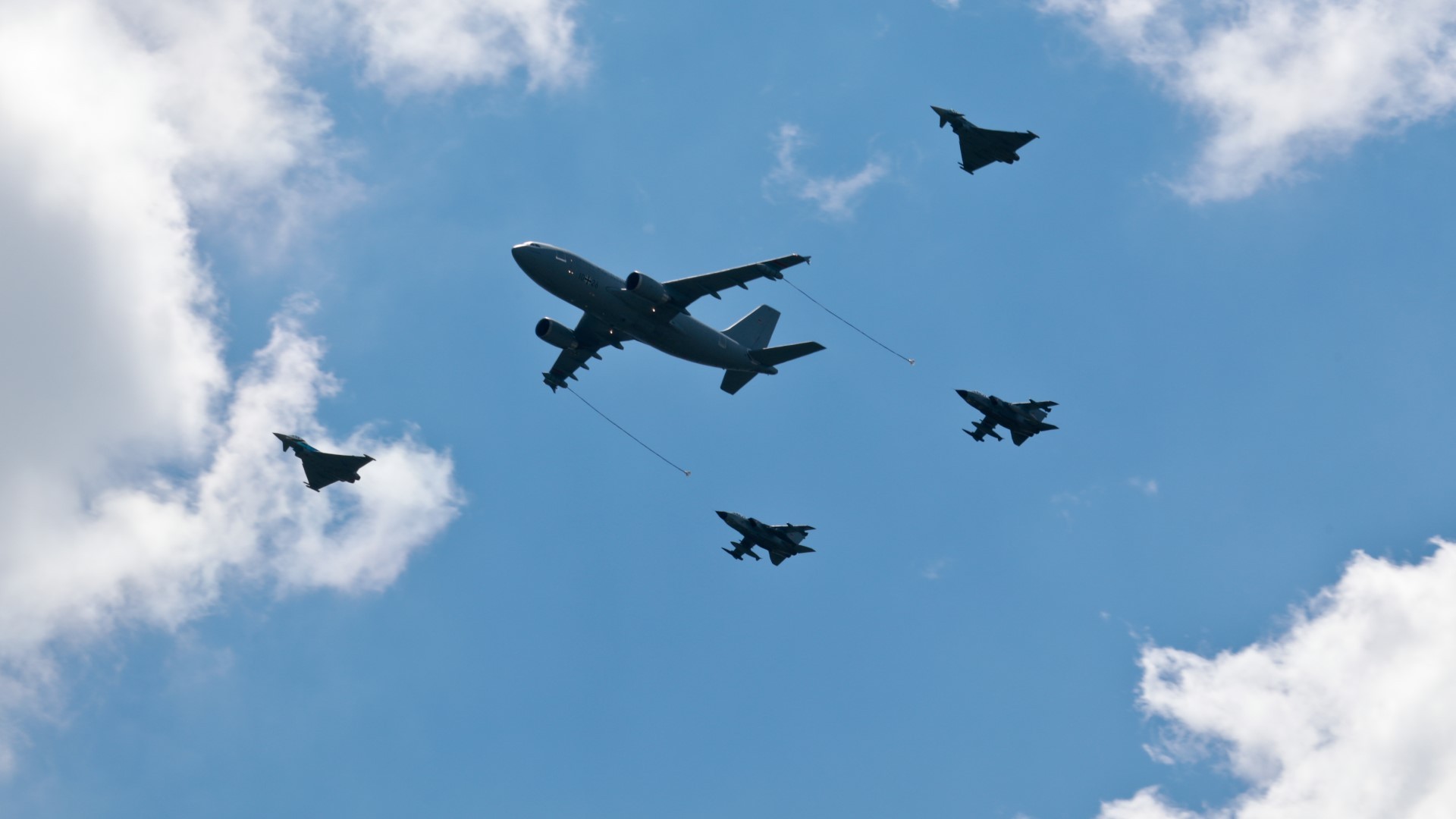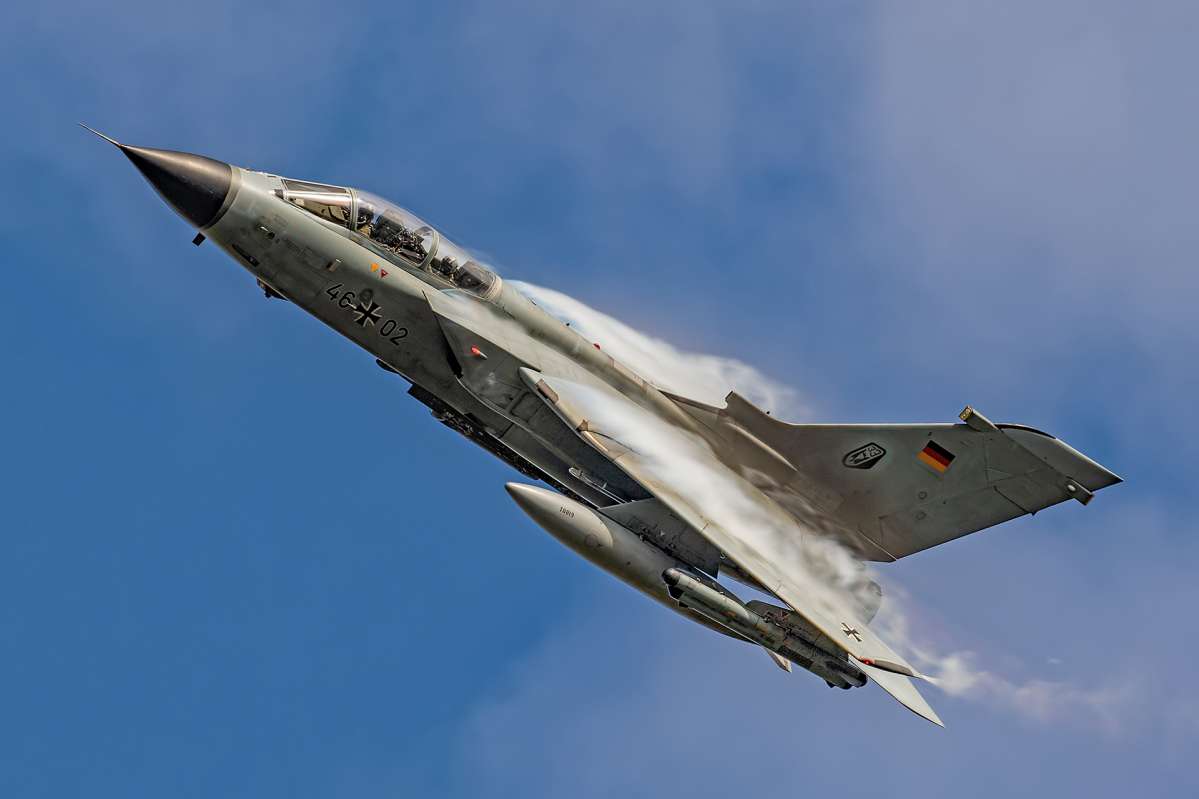
Since Russia's invasion of Ukraine in 2022 and the subsequent declaration of a new era (Zeitenwende) in its defence policy, Germany's defence capabilities have come into sharper focus. An abstract threat to NATO partners has become a concrete one. DFS also plays an important role in military mission effectiveness.
DFS has been responsible for handling civil as well as regional military air traffic in German airspace since its foundation in 1993. Civil and military aircraft share a common airspace, which is flexibly managed as required. DFS is regarded as a pioneer in the flexible use of airspace (FUA).
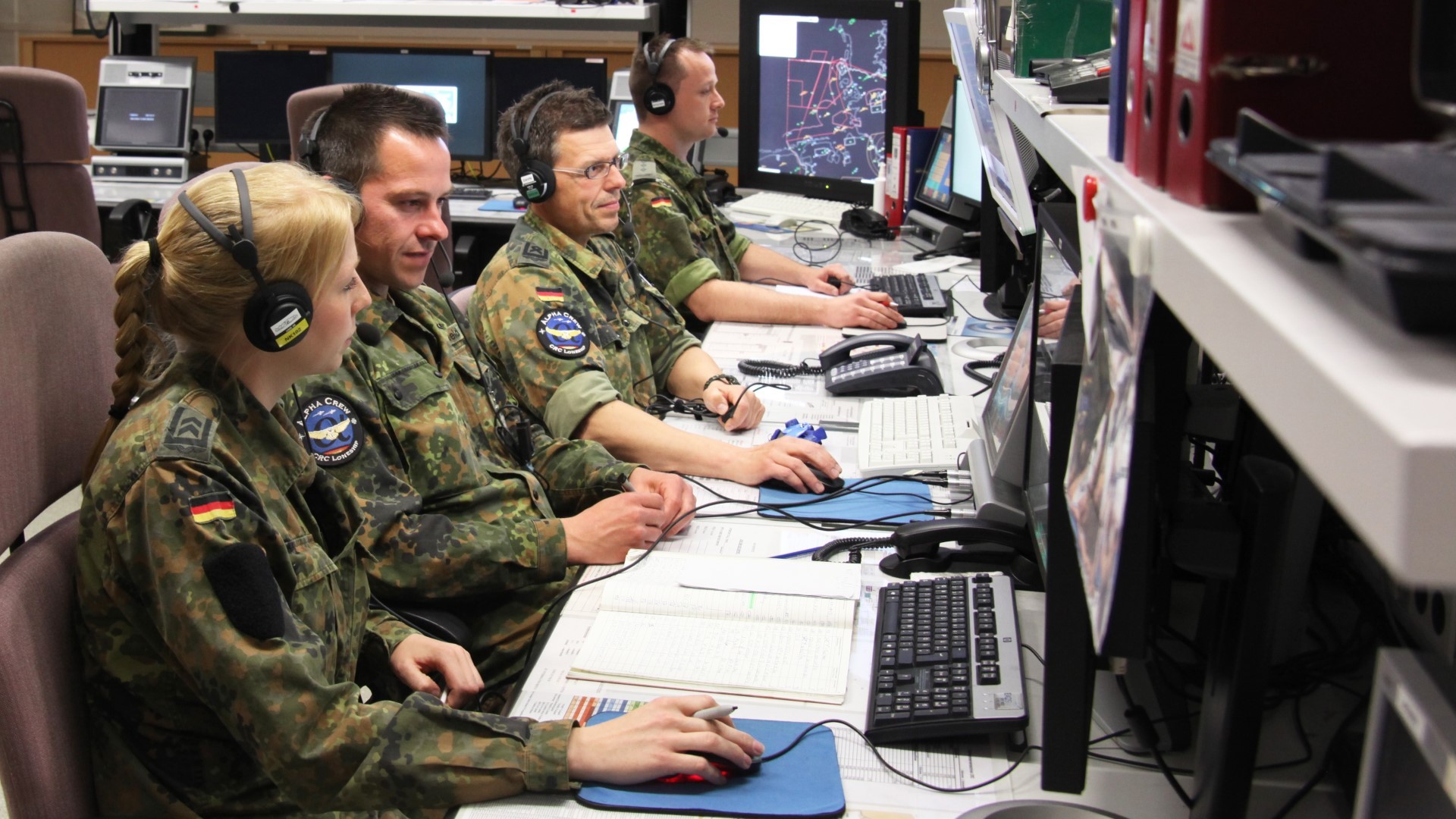
For many years, DFS experts have been working closely with the military to achieve an optimal balance between civil and military use of airspace. This cooperation between the two sides is of strategic importance. Thanks to it, flights can be planned flexibly while ensuring rapid and effective responses in exceptional circumstances. DFS demonstrated this capability at the start of the war in Ukraine.
The Civil-Military Cooperation Committee plays an important role in this cooperation. This committee operates under the auspices of the German Ministry of Defence and the German Ministry of Transport, and is mediated by DFS.
In addition to issues relating to airspace structure, the committee addresses all relevant aspects of civil-military cooperation. This includes the coordination of procedures and the planning of future developments, for example. Germany’s positions on international projects are also coordinated.
Such intensive cooperation between civil and military partners is by no means a given. In many other European countries, a less integrated approach is used. The close cooperation in Germany can therefore be regarded as a model for success.